Theatres, museums and concert halls place high demands on their buildings. The indoor climate must not only be comfortable for visitors and staff, but in many cases must also be precisely regulated to protect artworks, stage sets and instruments.
At the same time, these buildings often face fluctuating visitor numbers, complex installations and high energy costs. PULSE CORE helps cultural organizations and municipalities address these challenges in a data-driven way and maintain control over an optimal setup.
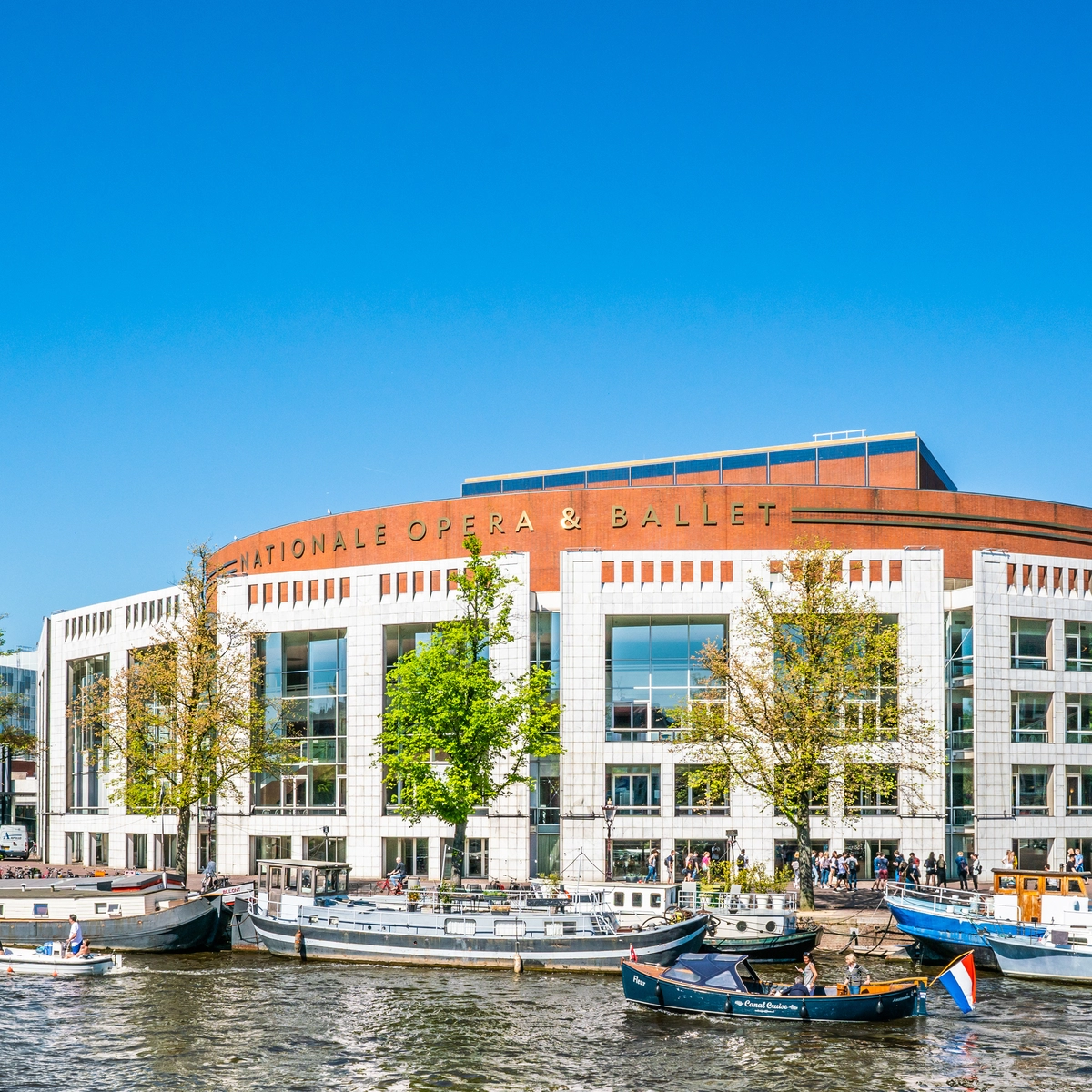
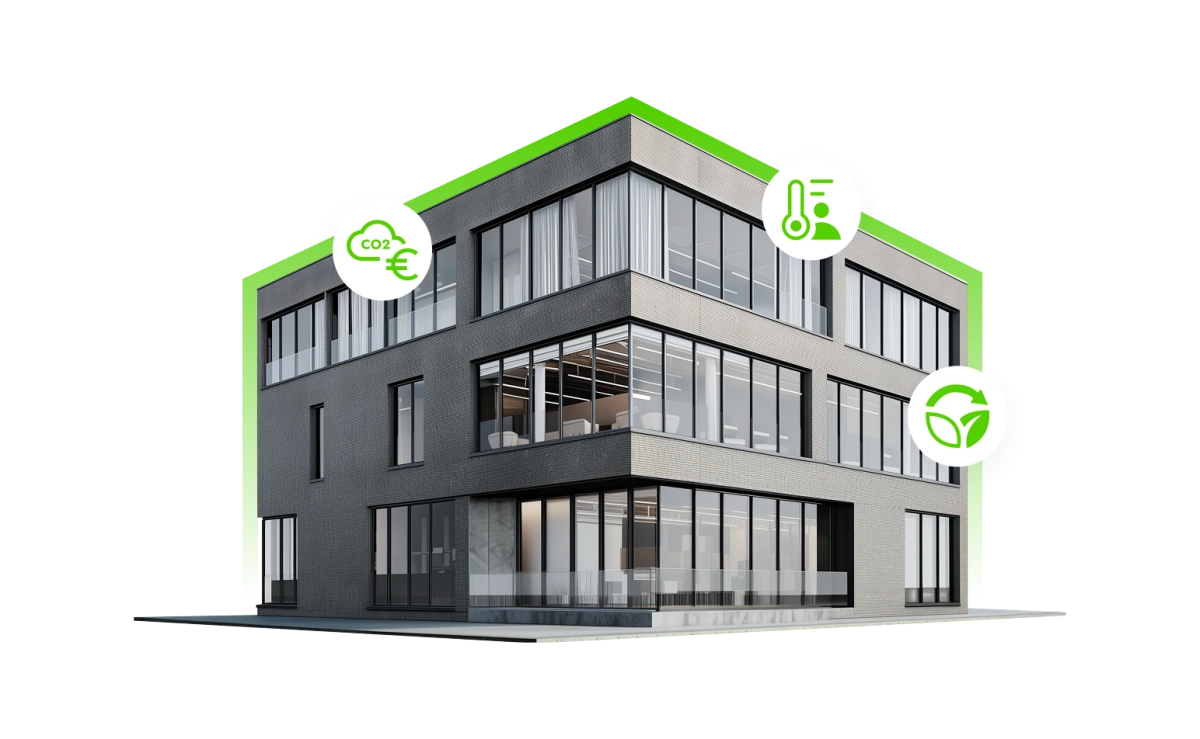
For locations such as museums and theatres, a stable temperature and humidity level are essential. Artworks, stage sets and instruments are highly sensitive to fluctuations in the indoor climate.
At the same time, large visitor flows generate heat and moisture, requiring climate systems to continuously adjust to maintain the right conditions.
With PULSE CORE, we analyze the optimal settings, performance and capacity of installations. Based on these insights, we provide situation-based and well-founded advice.
Cultural buildings experience strong peaks and troughs in usage. During a performance or exhibition, a hall may be full, while the same space may be empty at another time.
Climate systems must therefore continuously adapt to the actual use of the building.
Maintaining a stable indoor climate often requires significant energy. At the same time, cultural organizations are challenged to reduce their energy consumption and operate more sustainably.
Failures of climate systems can have major consequences: for visitor comfort and for the condition of valuable collections. Continuous insight into installation performance makes it possible to detect issues early and take action before problems arise.
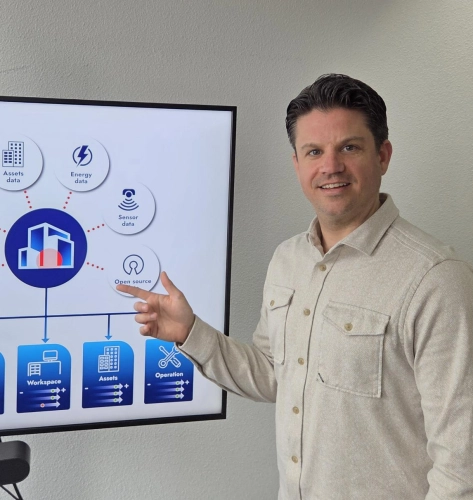
PULSE CORE helps cultural organizations gain better insight into their buildings. By collecting data from installations, sensors and meters, it becomes clear how the building operates. This allows deviations in the indoor climate to be detected more quickly and installations to be better configured. This is done via one platform with various Building Blocks for integrated building management.
With the Comfort Building Block, the indoor climate is continuously monitored. Sensors measure, among other things, temperature, CO₂ and humidity, so deviations are immediately visible. This ensures that both visitor comfort and the conditions for artworks and instruments remain optimal.
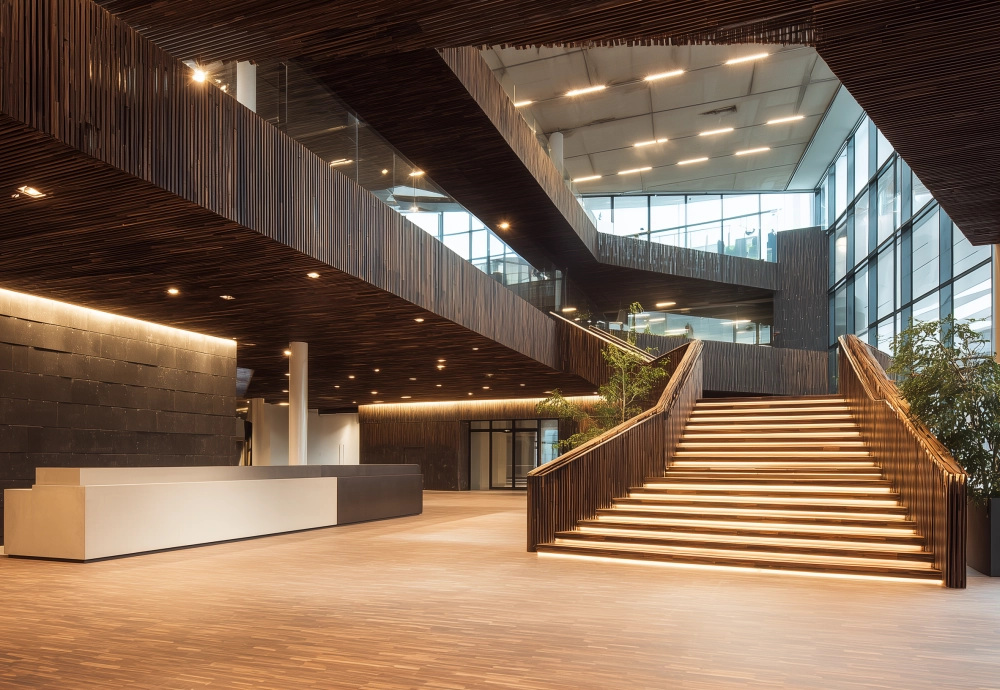
Sustainability provides insight into energy consumption and the performance of all installations. This enables organizations to take targeted measures to save energy and make buildings more sustainable.

Asset Monitoring monitors the performance of technical installations, such as climate systems and air handling units. By detecting deviations early, organizations can better plan maintenance and prevent failures.
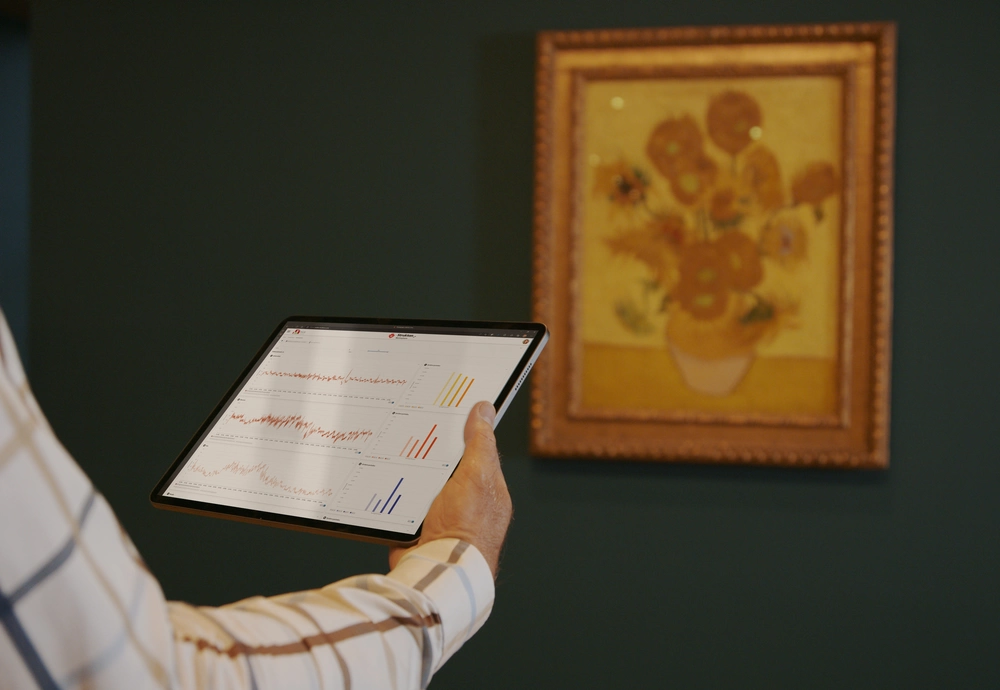
With Operation Support, notifications, maintenance planning and documentation are brought together in one system. This gives technical teams clear oversight and enables them to act quickly when needed.




















During our introduction, we listen to your challenge and explore a suitable solution together. Schedule an introductory meeting with our expert.