Government organizations often manage a large and diverse real estate portfolio: from city halls and offices to museums, archives and historic buildings.
These buildings must not only function well, but also meet ambitious sustainability targets and increasingly strict regulations.
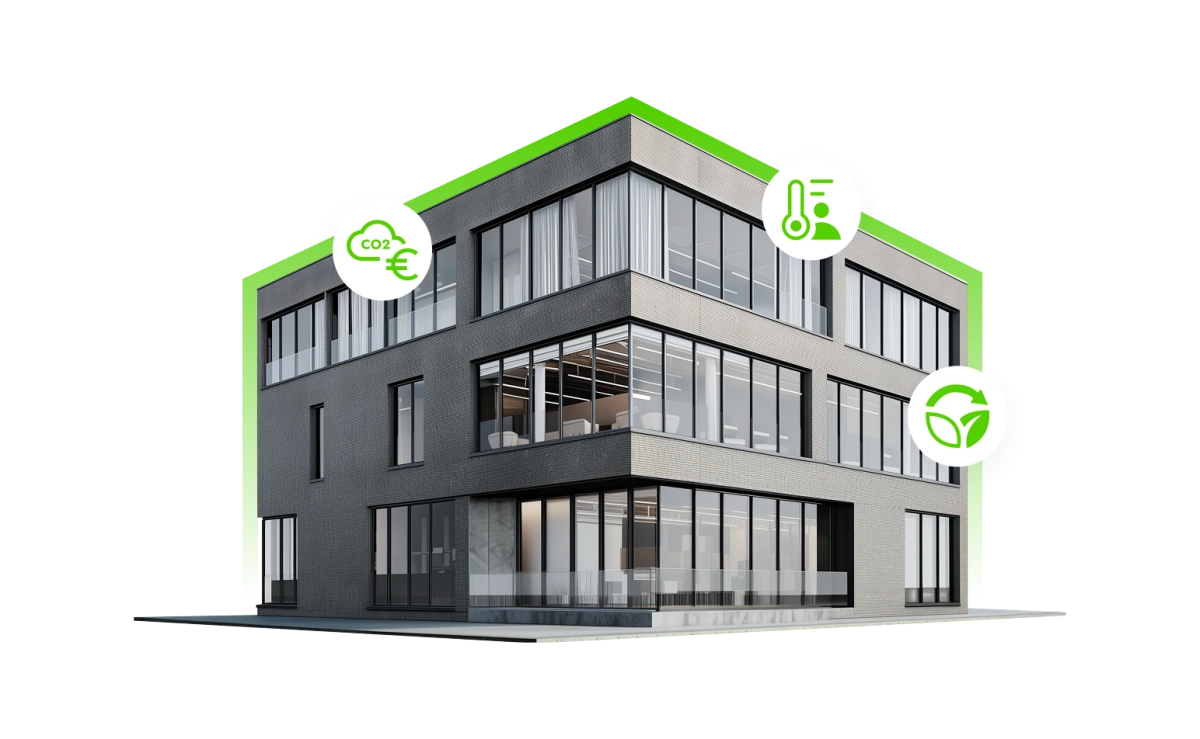
Governments play an important leading role in the energy transition. Therefore, organizations aim for energy-neutral buildings and actively manage KPIs for energy consumption, comfort and maintenance costs.
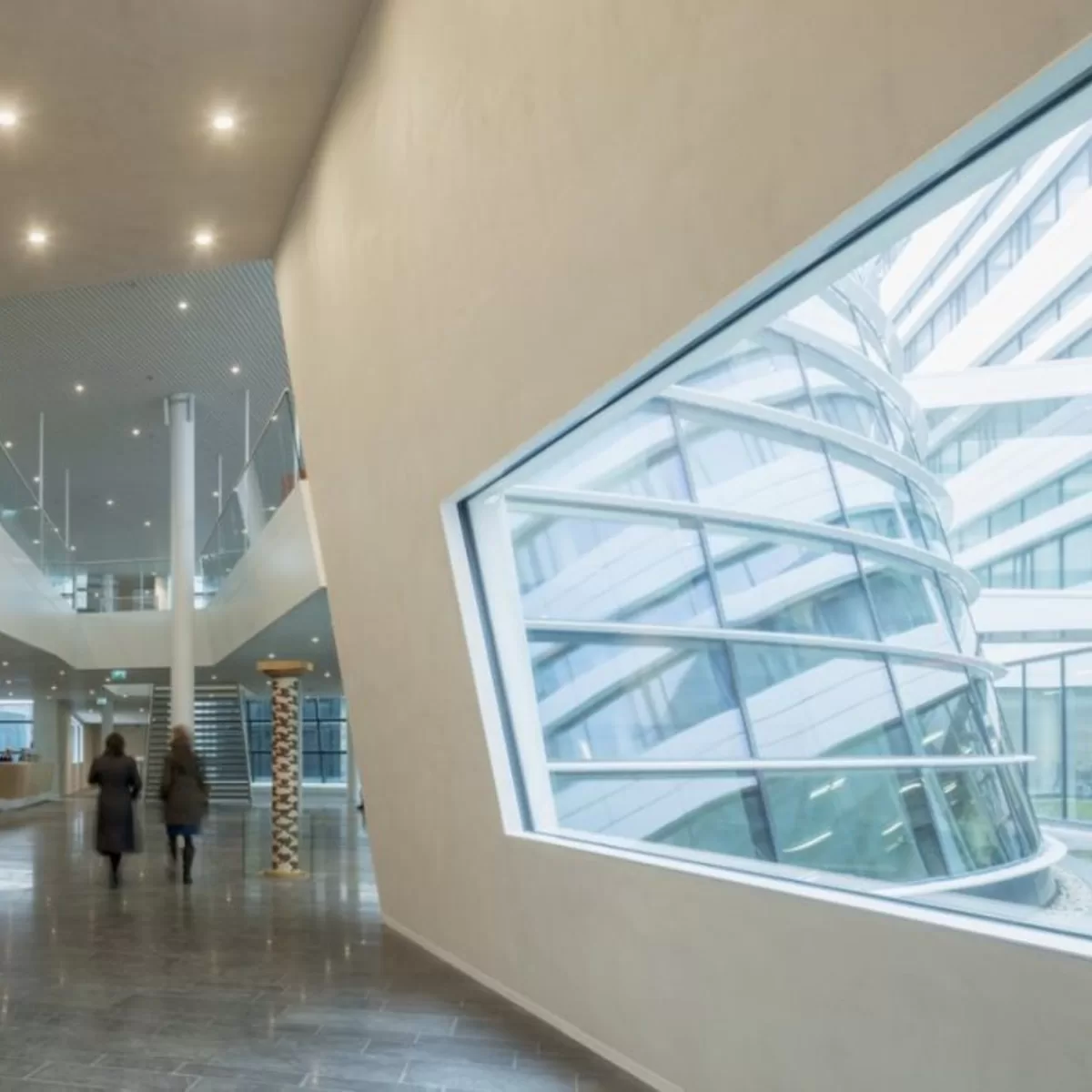
Government real estate often consists of a mix of modern buildings, offices and historic properties. Especially for the latter, sustainability requires a careful approach, ensuring that energy measures are possible without compromising the historical value of the building.
Government organizations must demonstrate compliance with regulations (such as the BACS requirement) and provide insight into energy consumption, performance and maintenance. This requires reliable data and transparent reporting.
Management and maintenance contracts often include clear performance indicators (KPIs). Without proper insight into building data, it is difficult to ensure optimal performance of installations and to detect deviations in time.
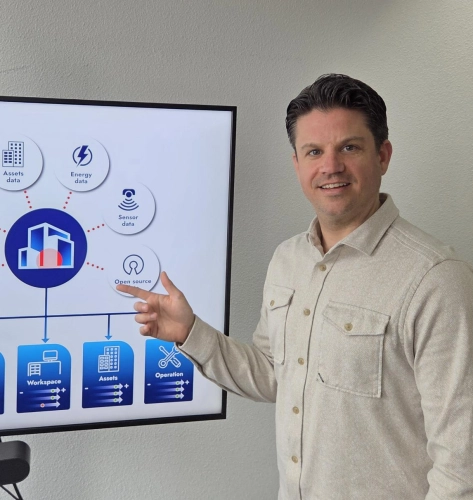
By combining data from installations, sensors and building systems, a complete picture of the performance of public buildings is created. This makes it possible to actively manage energy consumption, comfort and maintenance.
The result? Better performing buildings, lower costs and a real estate portfolio that is ready for the future.
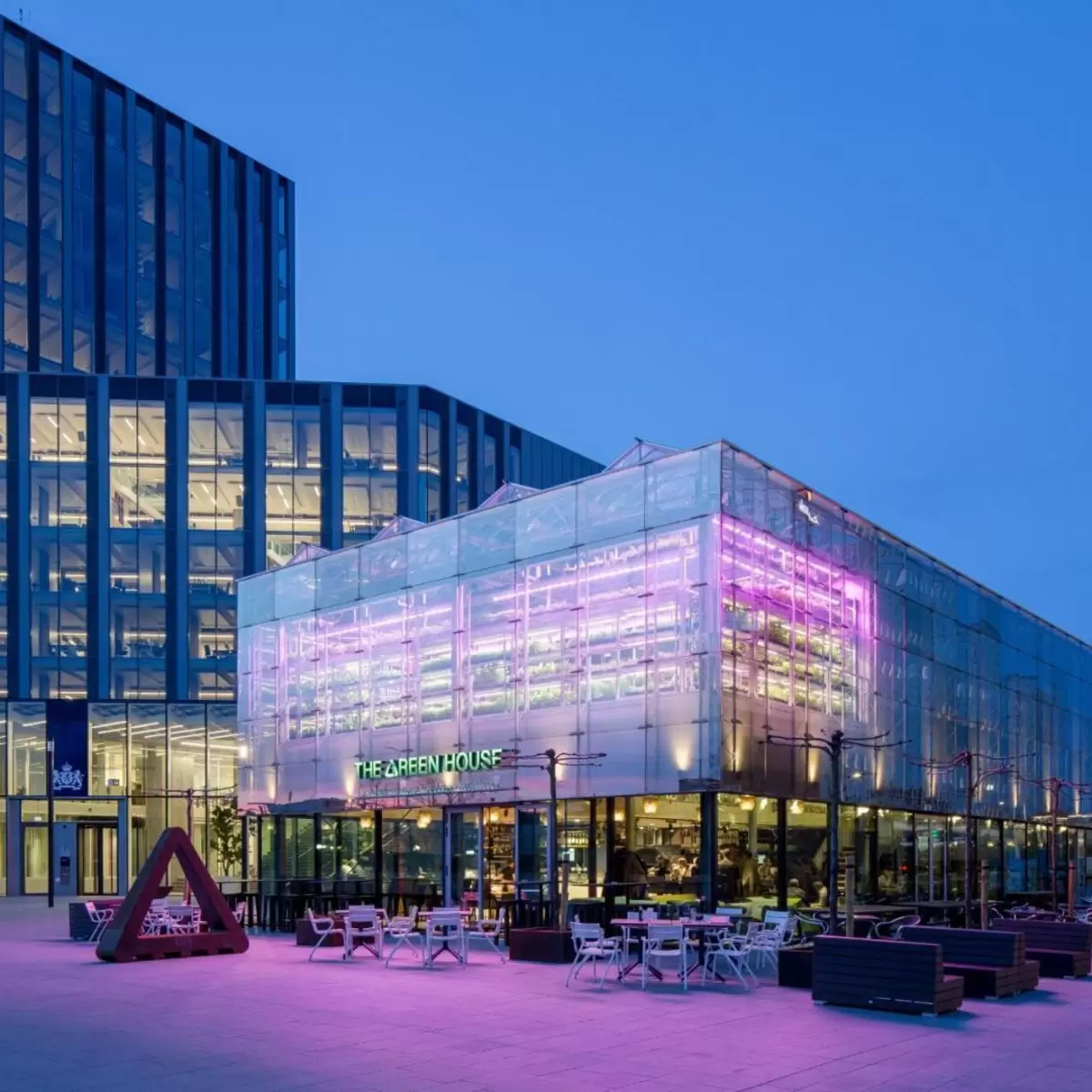
PULSE CORE supports government organizations in the data-driven management and sustainability of buildings. Within one platform, the five Building Blocks bring together all building data. This creates insights that can be directly translated into targeted improvement actions.
Comfort monitors the indoor climate in buildings. By gaining insight into temperature, air quality and humidity, a healthy and comfortable environment is created for employees and visitors.
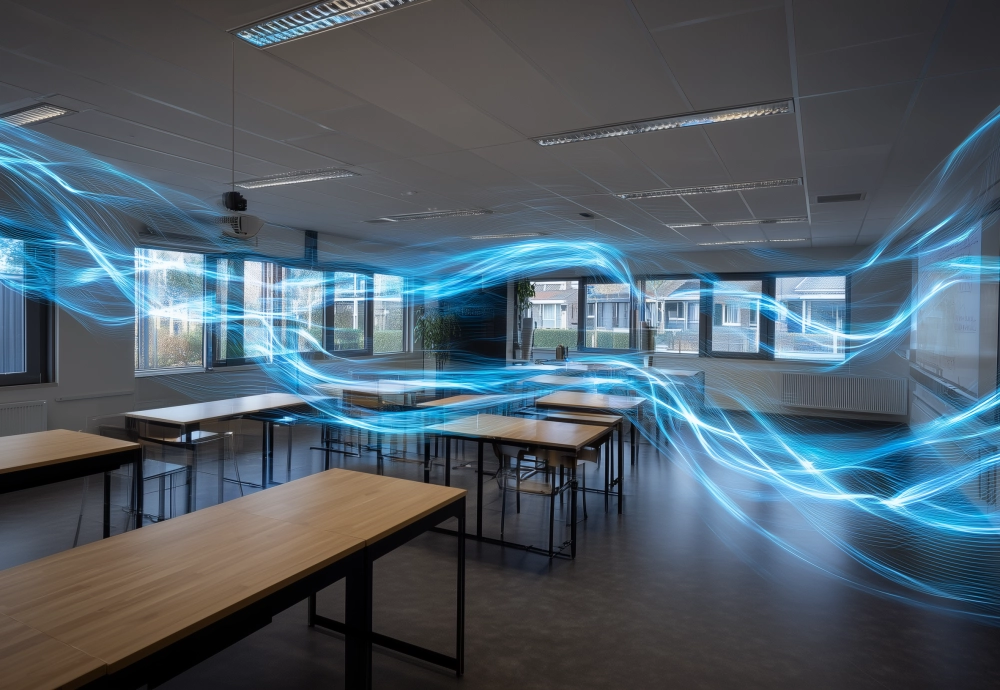
With Sustainability, organizations gain insight into the energy consumption and CO₂ emissions of buildings. Based on this data, they can take targeted measures to save energy and achieve their sustainability goals.

Asset Monitoring continuously monitors the performance of technical installations. Deviations are detected early, preventing failures and enabling better maintenance planning.

All maintenance information, notifications and documentation come together in one system: Operation Support. This ensures that facility and technical teams always have insight into the status of installations and activities.






















During our introduction, we listen to your challenge and explore a suitable solution together. Schedule an introductory meeting with our expert.