 Mahsa
Mahsa Many buildings nowadays feature extensive BIM models and simultaneously generate large amounts of operational data from installations, sensors, and building systems. Yet, in practice, these two valuable data sources often remain separate.
BIM models are primarily used during the design and construction process. Once a building is put into use, their role often diminishes. At the same time, building managers work daily with real-time data from sensors and installations, but without the additional context that a 3D building model can offer.
The consequence? Important insights remain untapped. Due to the lack of a direct link between design data and operational information, it becomes more difficult to quickly analyze building performance, optimize installations, and manage buildings as strategic digital assets.
To bridge this gap, SPIE launched a pilot project in the office building in Son. In this project, BIM data and real-time building information are brought together in a single digital environment.
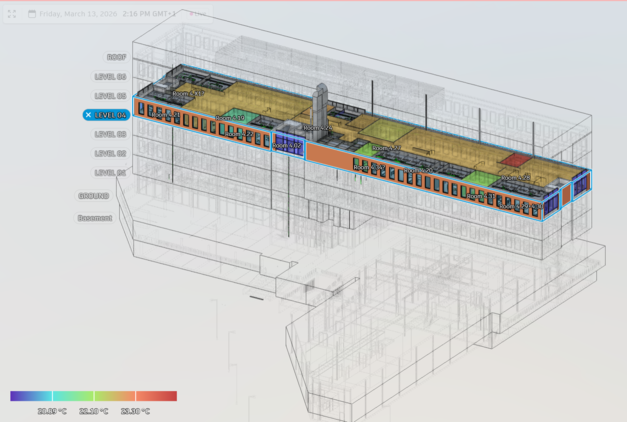
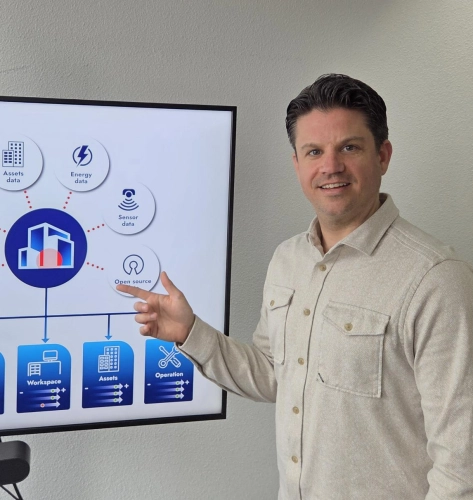
The solution combines the smart building platform PULSE CORE with 3D BIM models and Autodesk Tandem. This integration creates a dynamic digital twin: a digital representation of the building that is continuously fed with current data. This brings together various data sources, such as:
The result is a digital model in which design data and operational performance are interconnected.
The connection between PULSE CORE and Autodesk Tandem is technically enabled via Autodesk Platform Services (APS), API integrations, and Tandem Connect. This infrastructure ensures that data from installations and sensors is automatically linked to the 3D building model.
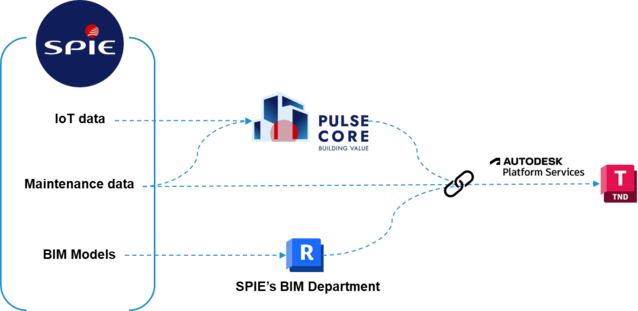
For facility managers and engineers, this means they can view real-time information directly in the context of the building. Think, for example, of energy consumption, comfort data, or the status of installations.
By visualizing data within the building model, faster insight is gained into where deviations occur and where optimizations are possible. This makes it easier to analyze malfunctions, improve installations, and make better-informed decisions.
Although the project is still in the pilot phase, it clearly demonstrates how BIM models can evolve into a "living" digital twin. Instead of a static design model, a digital system is created that grows with the building and contains continuously up-to-date information.
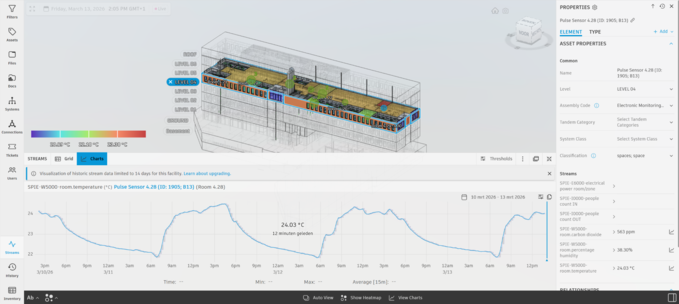
Initial reactions from clients are positive. Organizations with large real estate portfolios, in particular, see the added value of a digital twin. The ability to quickly locate installations within complex buildings can save a lot of time in management and maintenance.
By combining BIM with real-time building data, a new foundation is created for smarter, data-driven building management and more efficient maintenance.