 Coen
Coen Building systems are becoming increasingly smart, but also more complex. Think of heat pumps, ventilation systems, energy storage, and advanced control technology. At the same time, the shortage of technical personnel is increasing.
How can buildings be managed and maintained more intelligently? That question is central to the Brains4Buildings (B4B) research program. In this program, dozens of organizations are collaborating on innovative solutions for non-residential buildings.
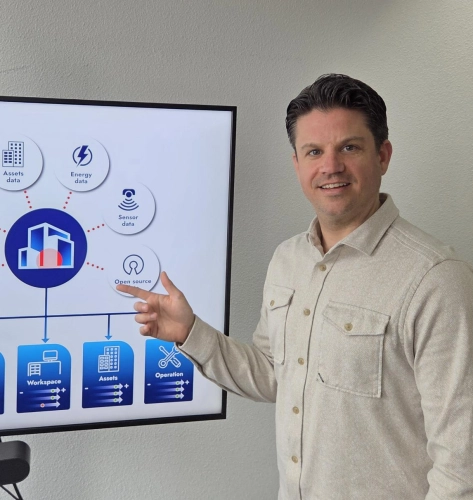
One of the themes within the program is Automated Fault Detection & Diagnostics (AFDD): technology that automatically detects and analyzes faults and anomalies in building systems. The methodologies investigated within B4B are now finding their way into practice. For example, various techniques have been integrated into PULSE CORE, the data platform for building management from SPIE.
Many malfunctions in installations remain undetected for a long time. Installations do not function optimally, consume more energy than necessary, or cause comfort complaints. AFDD technology continuously analyzes data from installations and automatically detects deviations.
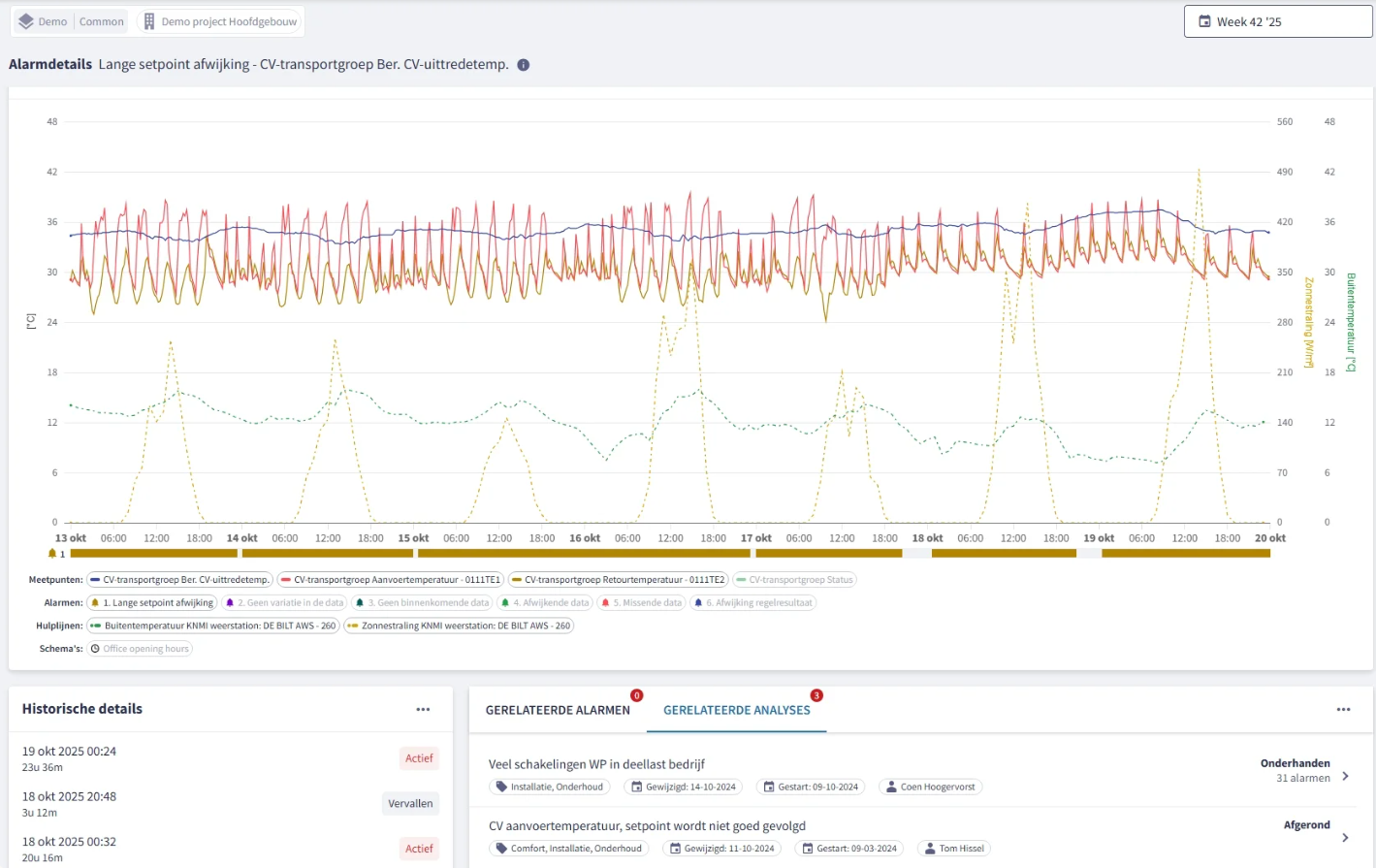
Within Brains4Buildings, various methodologies have been investigated to make this possible, such as diagnostic models and machine learning. These techniques make it possible to recognize malfunctions faster and identify the cause. This reduces the need for manual analysis and allows technical teams to intervene more quickly.
With PULSE CORE, these insights are translated into a practical platform for building management. The platform continuously analyzes data from installations, sensors, and meters and automatically signals deviations.
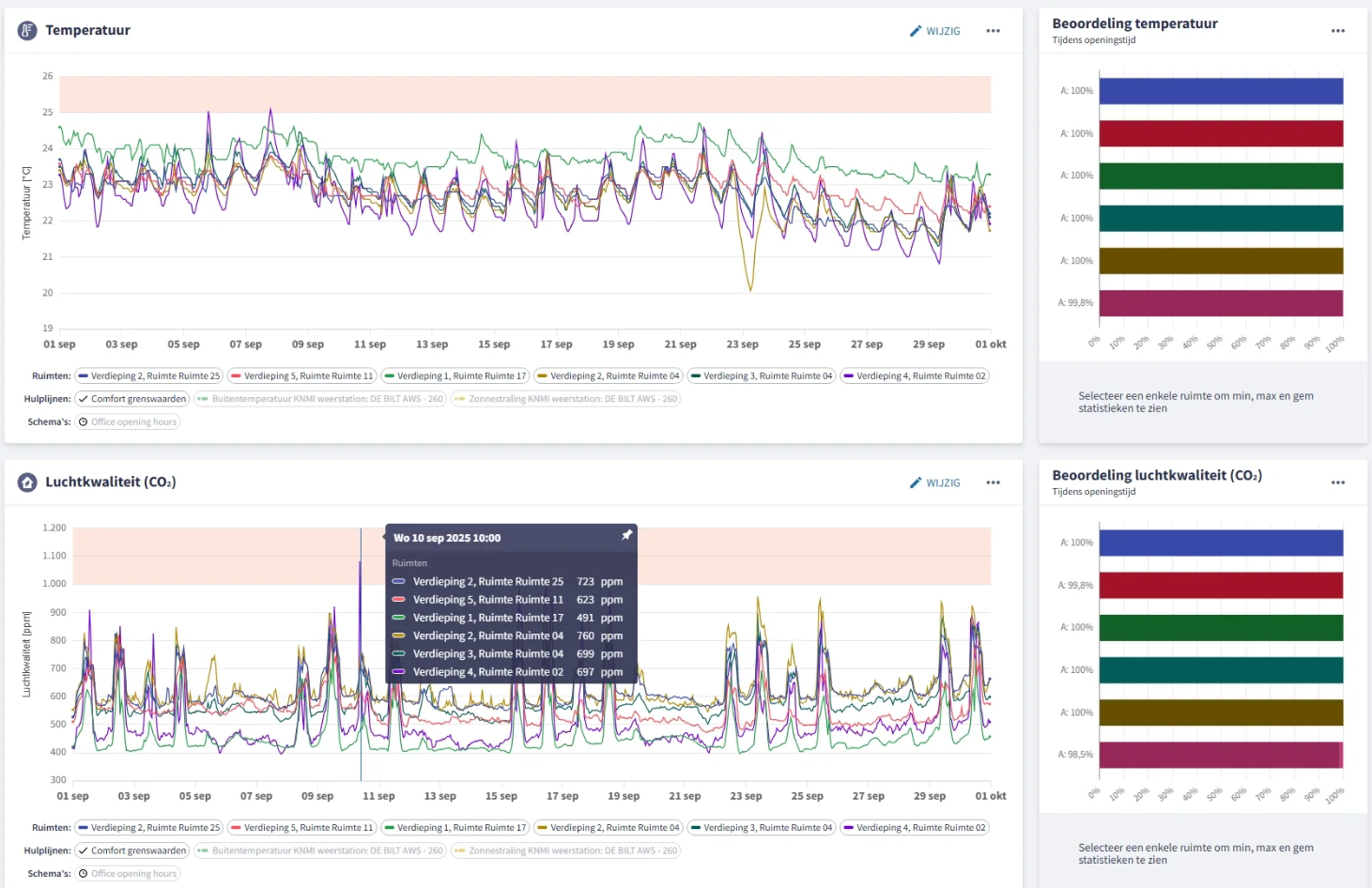
This makes it possible to improve installation performance and organize maintenance more intelligently. Problems become visible sooner, preventing malfunctions and ensuring installations continue to function more efficiently.
This approach yields clear benefits for building management. By continuously monitoring installations, organizations can lower energy consumption, reduce malfunctions, and base maintenance on the current condition of the installations.
Source: DGBC