Eindhoven Airport has ambitious goals when it comes to reducing its organization's ecological footprint and optimizing its climate control systems. Specifically, the airport has committed to the roadmap to operate completely emission-free and waste-free by 2030. The energy consumption of their real estate (approx. 10 buildings) plays a major role in this.
By smartening and expanding metering, they are now gaining valuable insights into energy flows, their footprint, and the performance of, among other things, the climate control systems. With these insights, the roadmap is being progressively filled in, prioritized, and the challenges to phase out fossil energy sources are being addressed step by step. A major advantage of this analytical approach is that it provides a reliable basis for decision-making. In this way, we provide Eindhoven Airport's operations with decisiveness, smooth decision-making, and an effective path to a sustainable airport.
Eindhoven Airport uses the PULSE CORE Building Blocks Sustainability, Asset Monitoring, and Comfort.

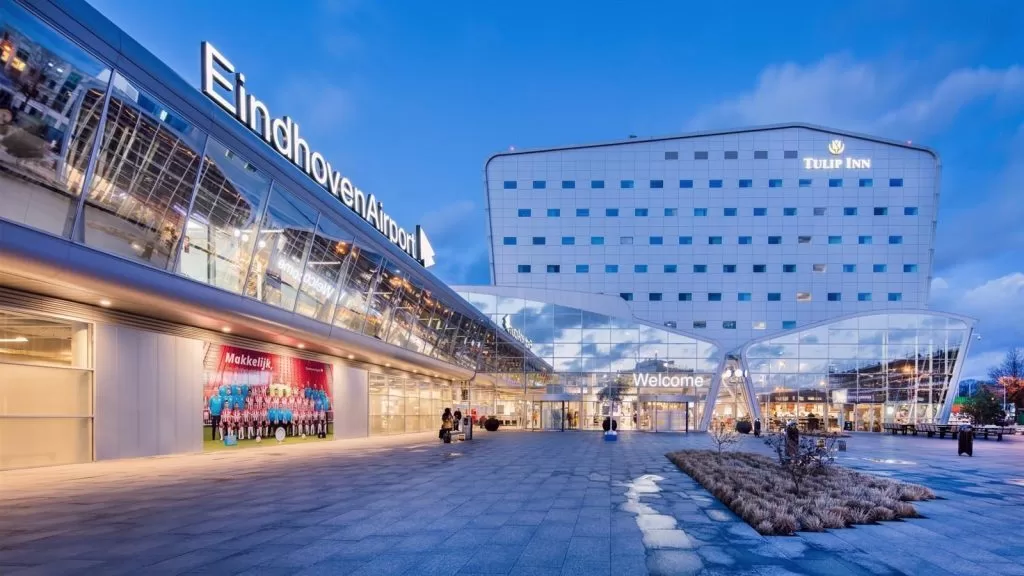
The airport consists of numerous and complex types of technology. Energy registration and analysis of its own operational processes, as well as those of tenants and partners, must be modernized across dozens of distributed locations and meters. This enables Eindhoven Airport to manage energy more effectively and efficiently itself.
Typical airport operations add an extra level of complexity to sustainability efforts; in particular, buildings with high levels of equipment and passenger movement are challenging. Additional targeted measurement and monitoring campaigns are required to support insight and decision-making.
In addition to daily passenger peaks, energy demand also changes over the years due to growth, changing (commercial) partners, security requirements, and higher levels of passenger handling. Accurate and rapid analyses of patterns and technical possibilities must be readily available to increase the agility of Eindhoven Airport.
In addition to the complexity of many technical systems, these systems are often business-critical. This requires broad expertise and a high level of alertness to anticipate and prevent impending disruptions.
The best calling card Eindhoven Airport can present to its travelers is a pleasant travel experience 'on the ground'. A comfortable and healthy indoor climate is an important part of this. Therefore, PULSE CORE monitors the indoor climate and energy consumption of the terminal for Eindhoven Airport using two Building Blocks: Comfort and Sustainability. Measurement data from the various technical systems are collected in a single data system, combined, and translated into concrete performance and (impending) exceedances. To achieve this, PULSE CORE uses an extensive suite of algorithms that no individual subsystem is capable of on its own. With this approach, we oversee the whole picture and the smallest details.
The Building Block Comfort makes it easy to gain insight into deviations in the indoor climate using simple color patterns per day, week, or season. This makes it immediately clear whether a deviation has a local or overarching cause. The Building Block Sustainability helps create an overview of energy-side performance; in terms of quantities, efficiencies, and patterns. Here, too, various data sources are bundled to obtain as complete a picture as possible of the total and submeters. Deviations are thus detected at an early stage, preventing malfunctions, complaints, and waste.
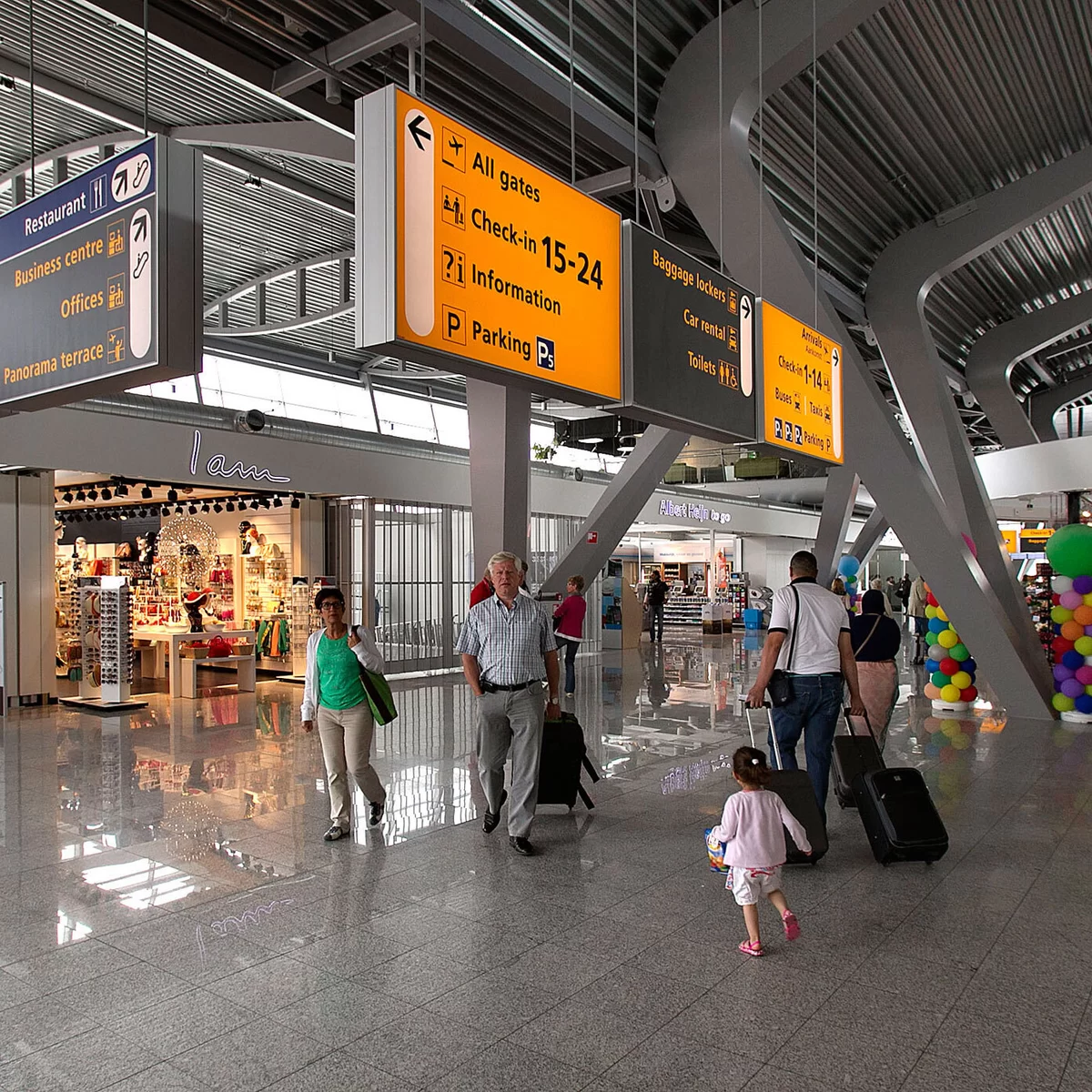





First of all, PULSE CORE has smartened and installed consumption meters at Eindhoven Airport. PULSE CORE has a cost-effective and ‘lightweight’ metering system that simultaneously offers the convenience of the existing central energy management system. Thus, the various digitized data can be found in one place.
Eindhoven Airport can now also generate various cross-sections of current consumption and capacity itself. This helps them with billing tenants and with administrative obligations regarding environmental permits.
By subsequently plotting this consumption data against factors such as outdoor temperature, building function, usage times, or gross floor area, current performance is placed in context and can be compared in a transparent and clear manner. A monitoring function in PULSE CORE simplifies control over usage and ensures a timely warning when deviations in usage are detected. This allows for immediate intervention.
PULSE CORE enables Eindhoven Airport to detect excessive energy consumption and objectively assess savings opportunities based on various factors. In total, 139 meters have been smartened.
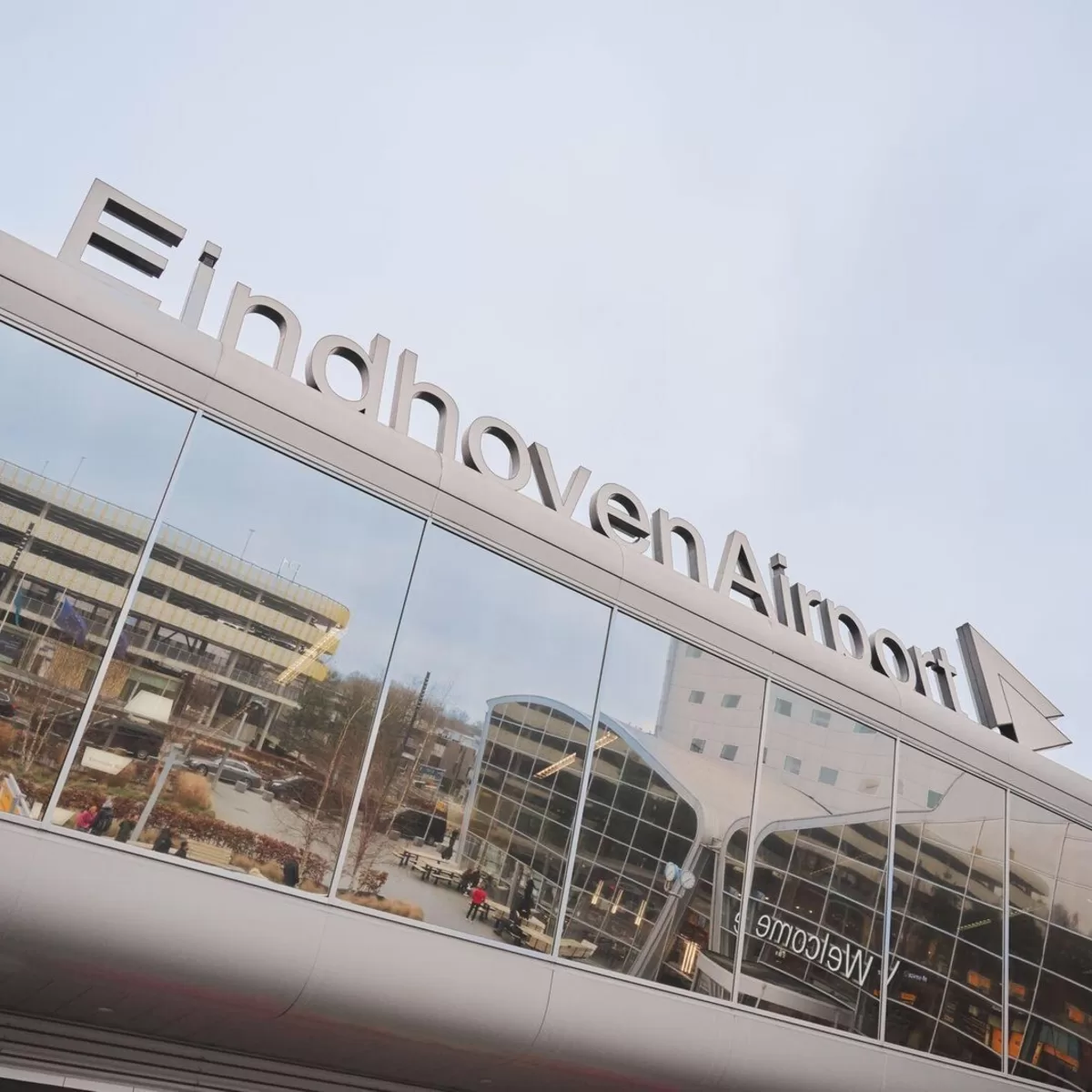
Eindhoven Airport has set its own goals in the Roadmap Sustainability 2030. Every quarter, the progress of the achieved performance is monitored and discussed by PULSE CORE, looking ahead and investigating upcoming action points. For example, PULSE CORE is currently collecting usage data from the hotel's heat recovery gas boilers in order to make them more sustainable in two years' time, after depreciation, and thereby maximize the use of the geothermal energy system.
Another project in which PULSE CORE collaborates with Eindhoven Airport is the terminal expansion process. In this regard, we advise on the best choices for the expansion based on current experiences and results.
Moreover, PULSE CORE's current energy management system clearly shows where and how much remaining capacity there is for, for example, the electrification of the vehicle fleet.
During our introduction, we listen to your challenge and explore a suitable solution together. Schedule an introductory meeting with our expert.