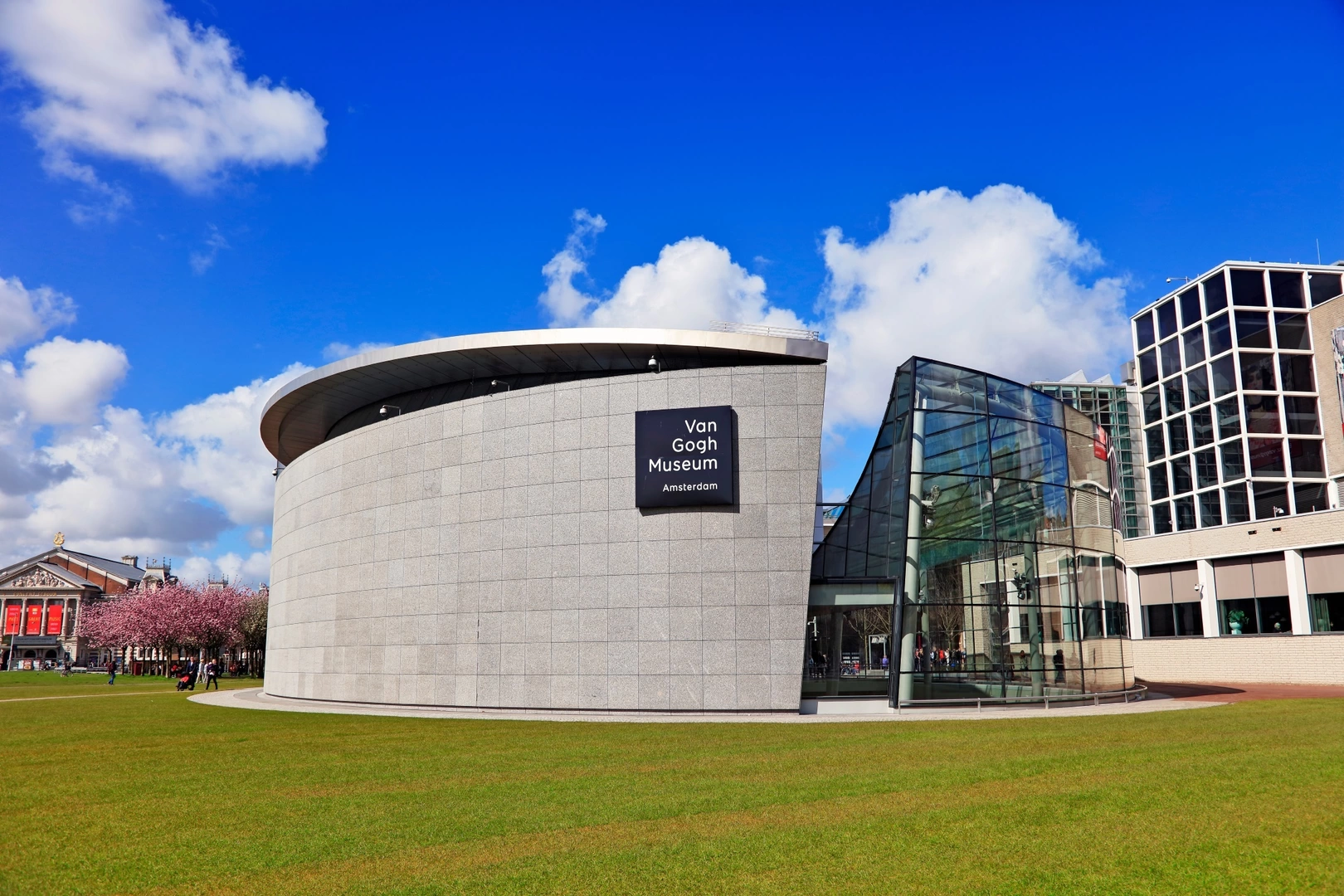
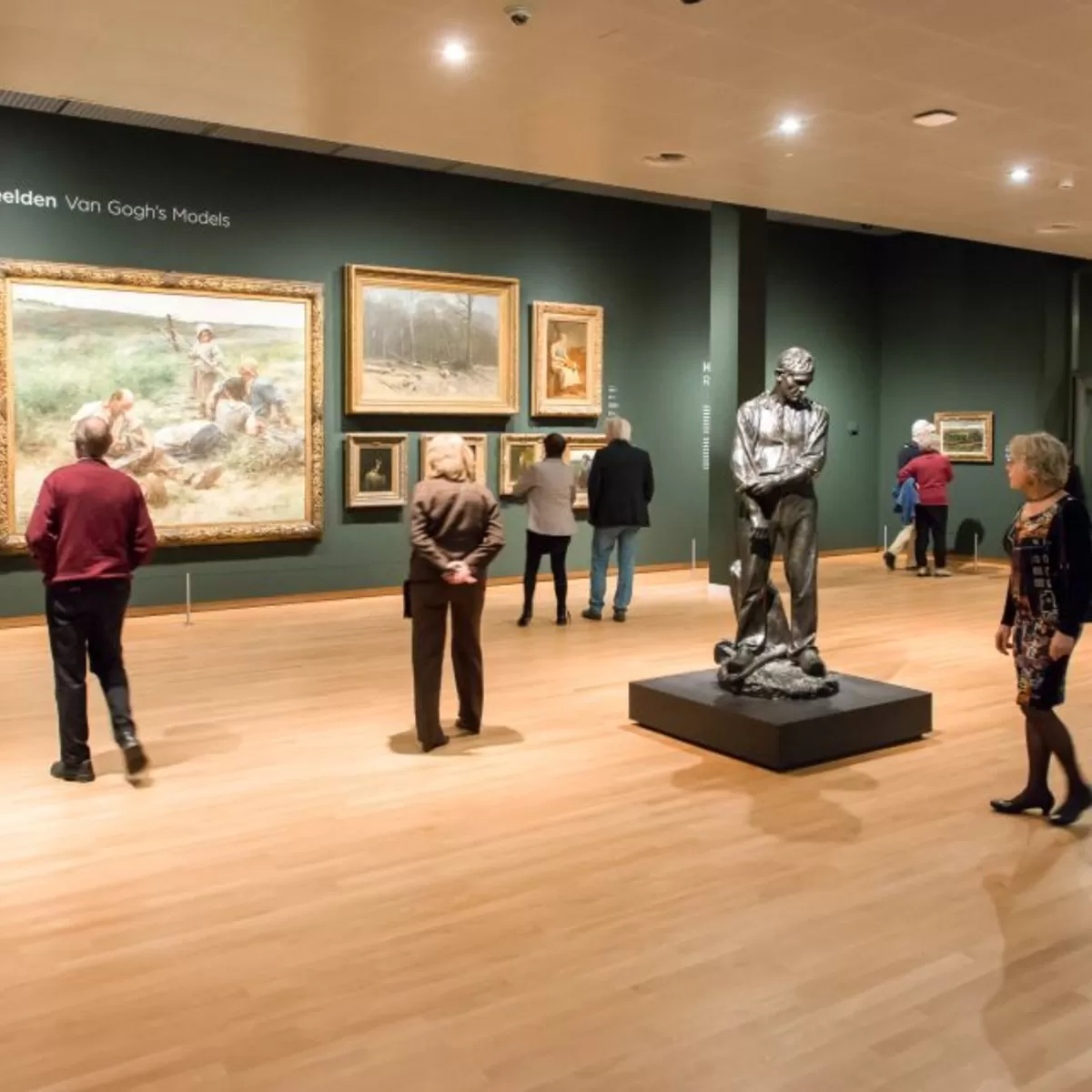
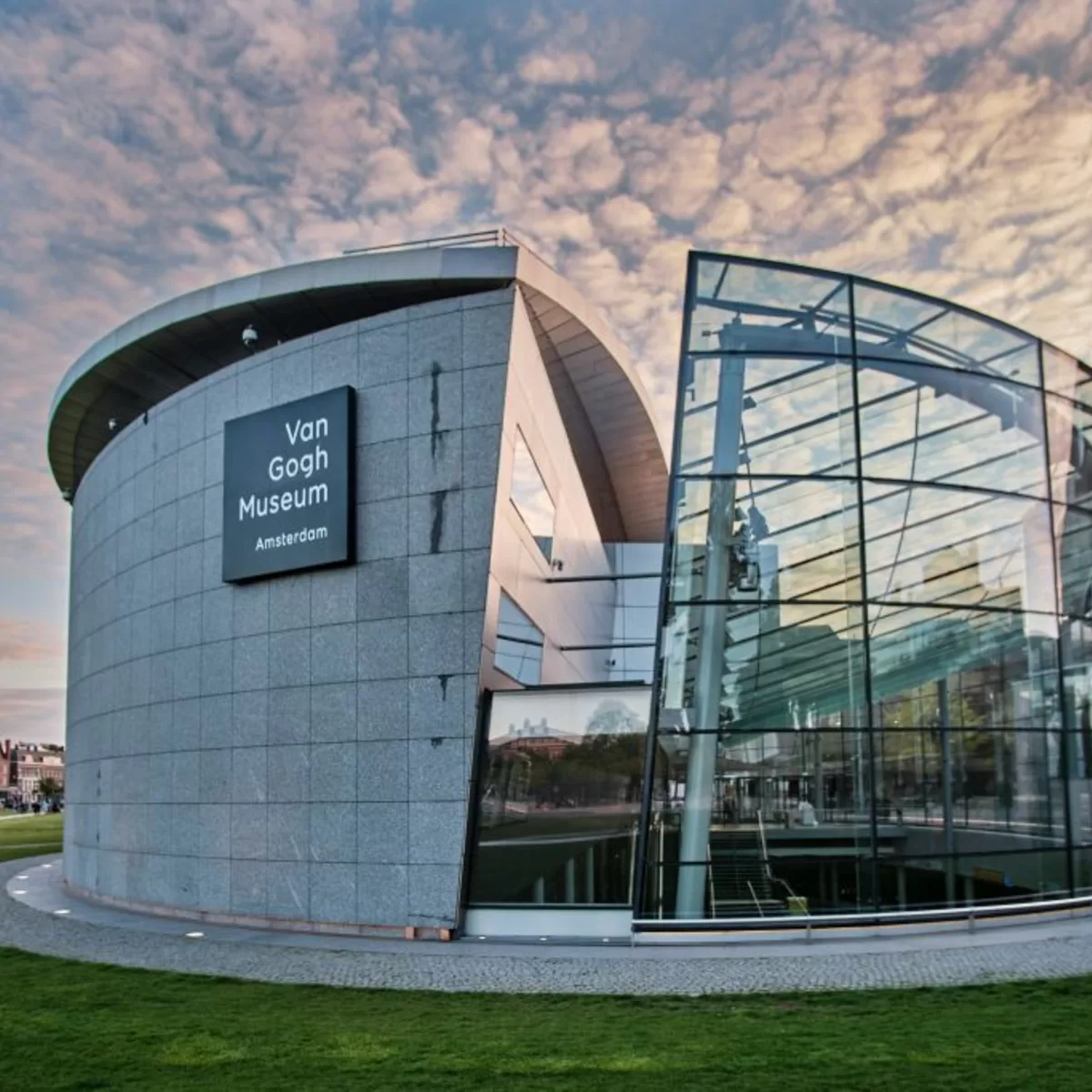
The paintings in the Van Gogh Museum in Amsterdam are of inestimable value. To keep these artworks made of natural materials in good condition, the right indoor climate is essential. SPIE has been commissioned to realize this and to contribute ideas and work towards the museum's sustainability ambition. That ambition is substantial: the long-term goal is to achieve a zero footprint.

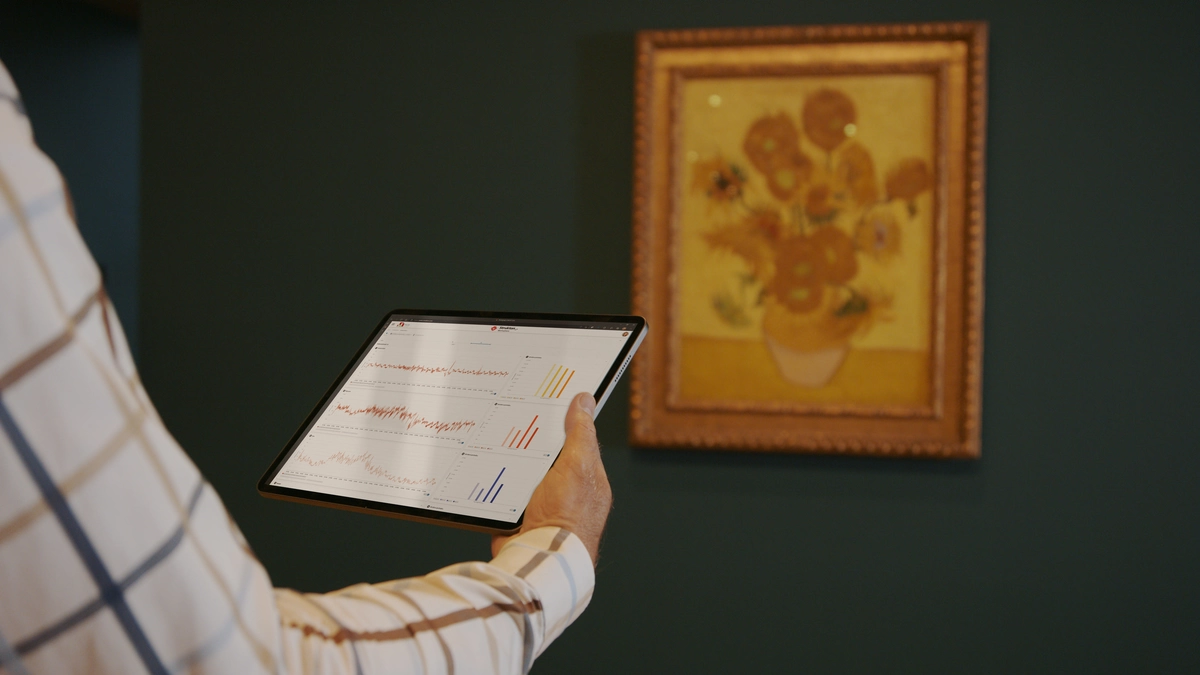
This may sound simple, but it is not in an environment that welcomes thousands of visitors every day, says Ben van der Stoop, senior real estate advisor at the Van Gogh Museum. “All those people generate heat and bring in moisture. The climate installations must compensate for that. This is how we keep the conditions here optimal.”
For the proper functioning and preservation of the paintings, climate control must always be optimally in place. 24 hours a day, 365 days a year, as the paintings are displayed day and night. Ben van der Stoop does not only want to drastically reduce this high energy consumption; in the long term, the museum even aims for a zero footprint. “SPIE and the Van Gogh Museum are partners in this. Together, we determine how to achieve this sustainable ambition.”
Is it possible to optimize the settings of the existing installations so that they ensure an optimal indoor climate while consuming less energy and lasting longer? SPIE gladly takes on this challenge through an integrated approach and the use of PULSE CORE.
The Van Gogh Museum and SPIE have entered into a ten-year partnership, with an option for a minimum five-year extension. "We view our accommodation as a tailor-made suit for the organization," says Ben van der Stoop. "Through the long-term collaboration with SPIE, we can grow towards that step by step."
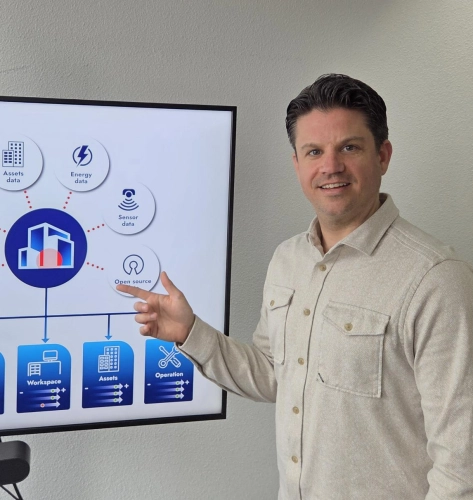
From day one of the collaboration, the Van Gogh Museum has been working with PULSE CORE. This integrated Building Operation Solution offers the knowledge, experience, and technology to sustainably guarantee building and user performance.
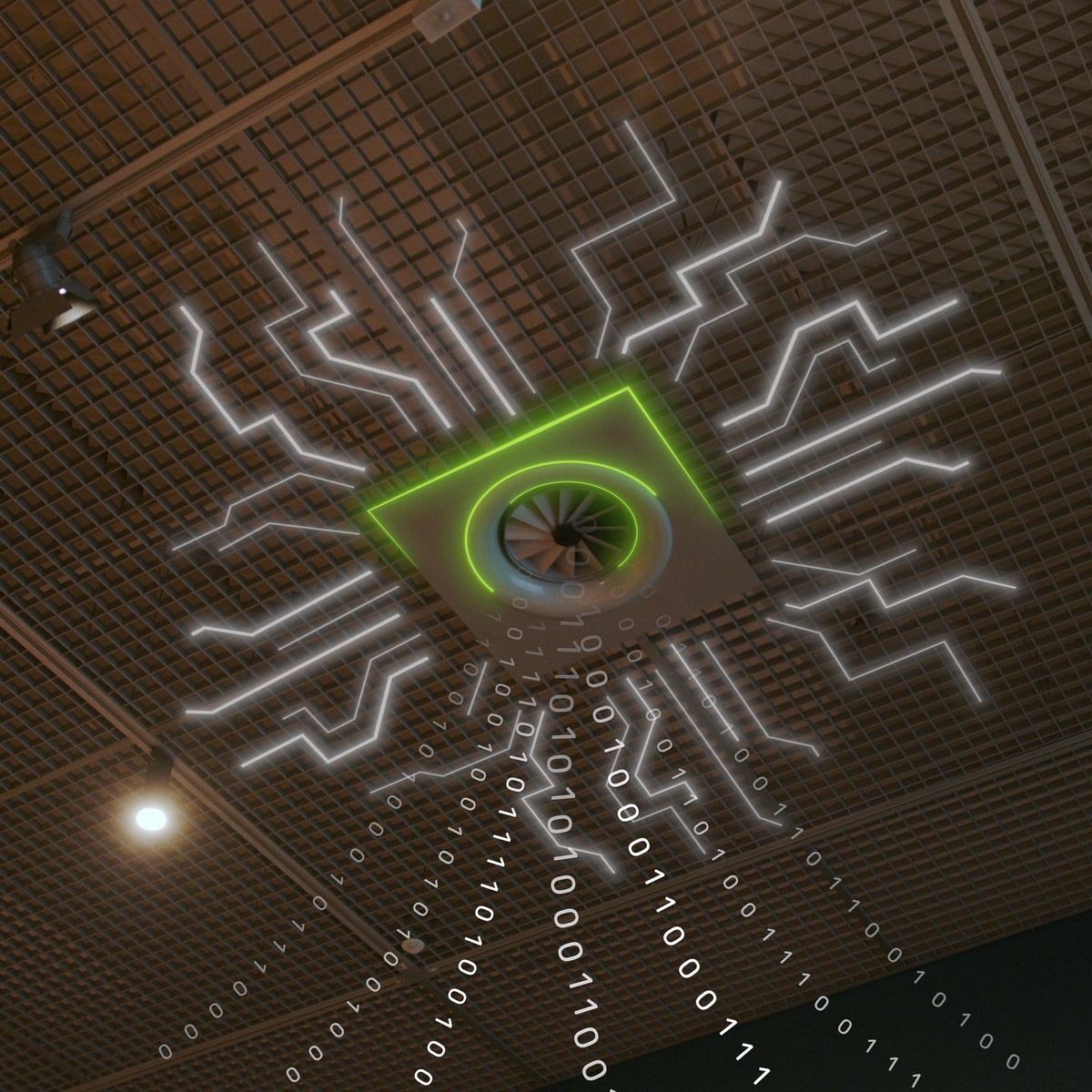
PULSE CORE uses sensors to check the performance of the installations 24/7. "We continuously measure whether we meet the high agreed-upon requirements," says Michel van der Zee, Client Manager at SPIE. "With the extremely sensitive artworks, climate conditions are critical. A tenth of a degree too warm or half a percent less humidity can make a huge difference. Thanks to PULSE CORE, we ensure that hardly any deviations occur, regardless of how many visitors are in the museum."





In total, the contract with SPIE contains no fewer than 29 KPIs (Key Performance Indicators). These relate to performance in the areas of comfort, uninterrupted operations, health, sustainability, and safety for people and the collection. "Since the start of the contract in 2016, we have demonstrated that we can guarantee the required performance with the existing installations and systems," says Michel. Maintenance and replacement of parts and installations play an important role in this. "Thanks to the data from PULSE CORE, we know the exact condition of the installations and can provide targeted advice on maintenance and replacement."
PULSE CORE also provides insight into institutional improvements. "With small adjustments, significant improvements in energy consumption can sometimes be achieved without compromising the indoor climate," says Michel.
An example: "The museum has a massive cooling system that switches on when one or more of the many air handling units request cool air. But regardless of how many units requested air, the cooling system always ran at full capacity. PULSE CORE brought this to light. By discovering something like this and subsequently fine-tuning it better, a lot of energy can be saved."
The museum is largely heated (and cooled) using a sustainable energy source (heat pumps combined with thermal and cold storage in the soil) supported by central heating boilers. Among the customers was one air handling unit with a high but strongly fluctuating demand for heat. This air handling unit required such a high central heating water temperature that the heat pumps could not supply without the intervention of the central heating boilers. This resulted in the installation keeping the entire central heating network at a high temperature. Because we had been collecting data from all customers for quite some time, we were able to analyze the heat demand per customer, adjusted the control system, and a significant amount of gas (over 30,000 m³ per year!) was saved.
The goal of the joint approach by SPIE, the Van Gogh Museum, and property owner Rijksvastgoedbedrijf is an optimal indoor climate, with ever-decreasing energy consumption. "Our collaboration with SPIE ensures that we can share our long-term ambitions," says Ben van der Stoop. "And with the multi-year maintenance plans we create together, we are growing closer. We now know what needs to be done over a ten-year period. Both to save energy and to ensure that the accommodation functions increasingly better."
Michel agrees with Ben: "We are proud to be a partner of the Van Gogh Museum. Together, we ensure a perfectly functioning and sustainable building with the help of PULSE CORE. Now and in the future. "The collaboration between the Van Gogh Museum and SPIE Nederland (formerly Strukton Worksphere) won the jury award at the InfraTech trade fair in 2017." A public award for ‘Best collaborative project in construction’.

During our introduction, we listen to your challenge and explore a suitable solution together. Schedule an introductory meeting with our expert.